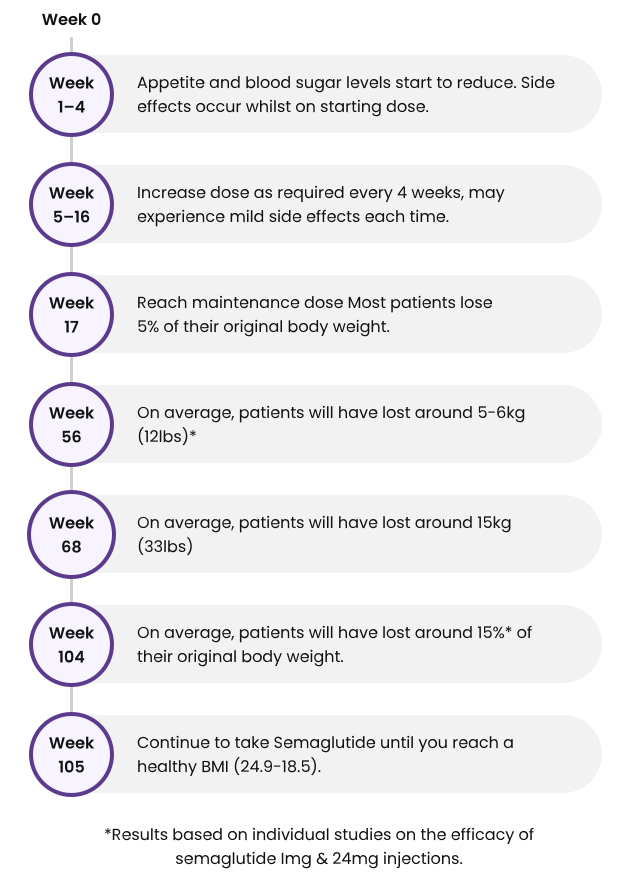
how long to see effects of semaglutide How Long Does It Take for Semaglutide to Suppress Appetite?
Marsoni
M251S
Get it in 3 business days with 1 day shipping.
Friday, May 29
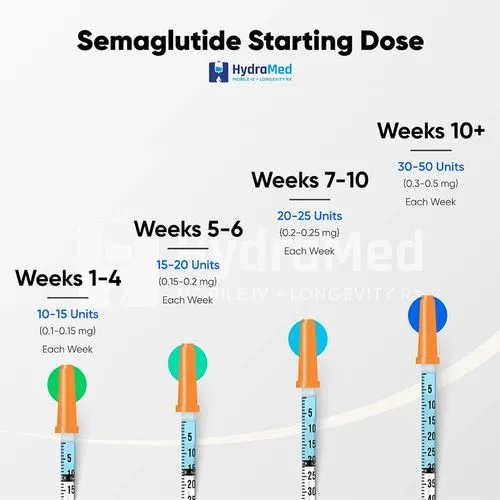
Page 1 of 2 Empower Semaglutide B12 Compound Concentration of Medicated Compound In Units 1 0.5 mg mL 5 0.5 mg mL 10 0.1 mg 0.5 Insulin Syringes with Needle, Diabetic Needles and Syringes Syringewithneedle Semaglu what? Reta who? Don't worry, we've got you. If you're gonna inject it, at least say it right We'll show you how to pronounce them correctly but more importantly, make Hypothalamic anorexigenic signaling pathways (leptin, amylin, and proopiomelanocortin) are semaglutide (GLP 1 analog) targets in obesity control in mice ScienceDirect Understanding GLP 1 and Its Role in Weight Loss: A Comprehensive Guide Integrative Medicine, Laser and Aesthetics Why Ozempic isn't suitable for everyone, explained by a doctor BBC Science Focus Magazine
Quick Dispatch:
Your how long to see effects of semaglutide How Long Does It Take for Semaglutide to Suppress Appetite? orders ship within 1-2 business days.
Delivery Options:
- Standard: 3-7 business days
- Fast: 2-3 business days
- Express: 1-2 business days
Order Tracking:
You'll receive a tracking link by email once your how long to see effects of semaglutide How Long Does It Take for Semaglutide to Suppress Appetite? ships.
Need Help?
Questions about how long to see effects of semaglutide How Long Does It Take for Semaglutide to Suppress Appetite?, sizing, or delivery? We're just an email away.
Live Shipping Estimates:
Enter your location at checkout to see available shipping methods and costs for how long to see effects of semaglutide How Long Does It Take for Semaglutide to Suppress Appetite? in your area.
Get Shipping Estimates
Exchange/Return Notes
- We offer a 30-day return/exchange service after receiving.
- Final sale items are not eligible for returns or exchanges.
- To process your return/exchange, please contact us at [email protected]
- Please click here for more details>>> Return & Exchange Policy
You may also like
4.2 ★★★★★
Based on 2365 reviews
Sort
Product Reviews
★★★★★ 5
Timely delivery.
Format: Paperback
I got the ordered item within the time. The book was in good shape
WAS THIS REVIEW HELPFUL?YesReportShare
Reviewed in the United States on May 4, 2025
★★★★★ 5
Worth it
Format: Paperback
Excellent, needed for class
WAS THIS REVIEW HELPFUL?YesReportShare
Reviewed in the United States on June 11, 2021
★★★★★ 5
Another fine Piece
As with Bowlbys' other works, this classic furthers the hypothesis of negative emotional influence on the continued development of humans as we integrate with our social environments. I liked it...in fact, liked all of Bowlbys' writings.
WAS THIS REVIEW HELPFUL?YesReportShare
Reviewed in the United States on September 12, 2013
★★★★★ 5
Five Stars
A MUST HAVE BOOK FOR anyone interested in parenting! or have kids.
WAS THIS REVIEW HELPFUL?YesReportShare
Reviewed in the United States on March 20, 2015
★★★★★ 4
A Groundbreaking Classic on Young Child Development
Format: Paperback
This first volume of John Bowlby's trilogy on Attachment and Loss expands and builds upon an article he published in 1958 in the International Journal of Psycho-Analysis titled "The Nature of the Child's Tie to His Mother", which is perhaps a more telling title than that of the book itself. Attachment, as a technical term in behavioural biology, is first used in describing instinctive mother-following behaviours of young mammals and birds (first observed and reported in delightful accounts by the Austrian ethologist Konrad Lorenz in the 1930's).
By comparing data collected during and after the Second World War by childcare workers and researchers in U.K. and North America, Bowlby found a striking common pattern of distressed behaviours among young children between the ages of one and three when separated from mother for an extended period: first in Protest, then Despair and finally Detachment - a psychopathological state when a child becomes socially uninitiated and withdrawn, even to his returning mother. Bowlby then postulates that physical proximity to a mother-figure is essential to a child's development of cognitive capacities, especially during a sensitive period around six months to two years after birth. Attachment behaviours, like those of young mammals and birds, are present in the human baby too. This has since led to a blossoming of research activities in development psychology and psychoanalysis, as well as neurophysiology recently, which supplies much fresh evidence about the young brain and its phenomenal maturing in the first two years. Attachment theory has since contributed significantly to understanding of our own selves, informed the age-old philosophical debate on nature or nurture, and brought our attention to fundamental issues in child-rearing such as sensitive periods of development, the difference between attachment (conducive to security) and dependence (symptomatic of insecurity), the distinction between anxiety from separation and fear of the unfamiliar, etc.
This new edition is a timely reprint of a classic account of attachment theory as formulated by the originator. While primarily an academic work, with a few chapters deemed more for an academic jury (about Freud and instinctive behaviours, etc.), it is mostly very readable, and certainly captivating to those with access to young babies, of whose behaviours are given an enlightening perspective. This volume focuses on attachment, with subsequent volumes on its loss in temporary and permanent terms respectively.
WAS THIS REVIEW HELPFUL?YesReportShare
Reviewed in the United States on September 4, 2003
recommand products
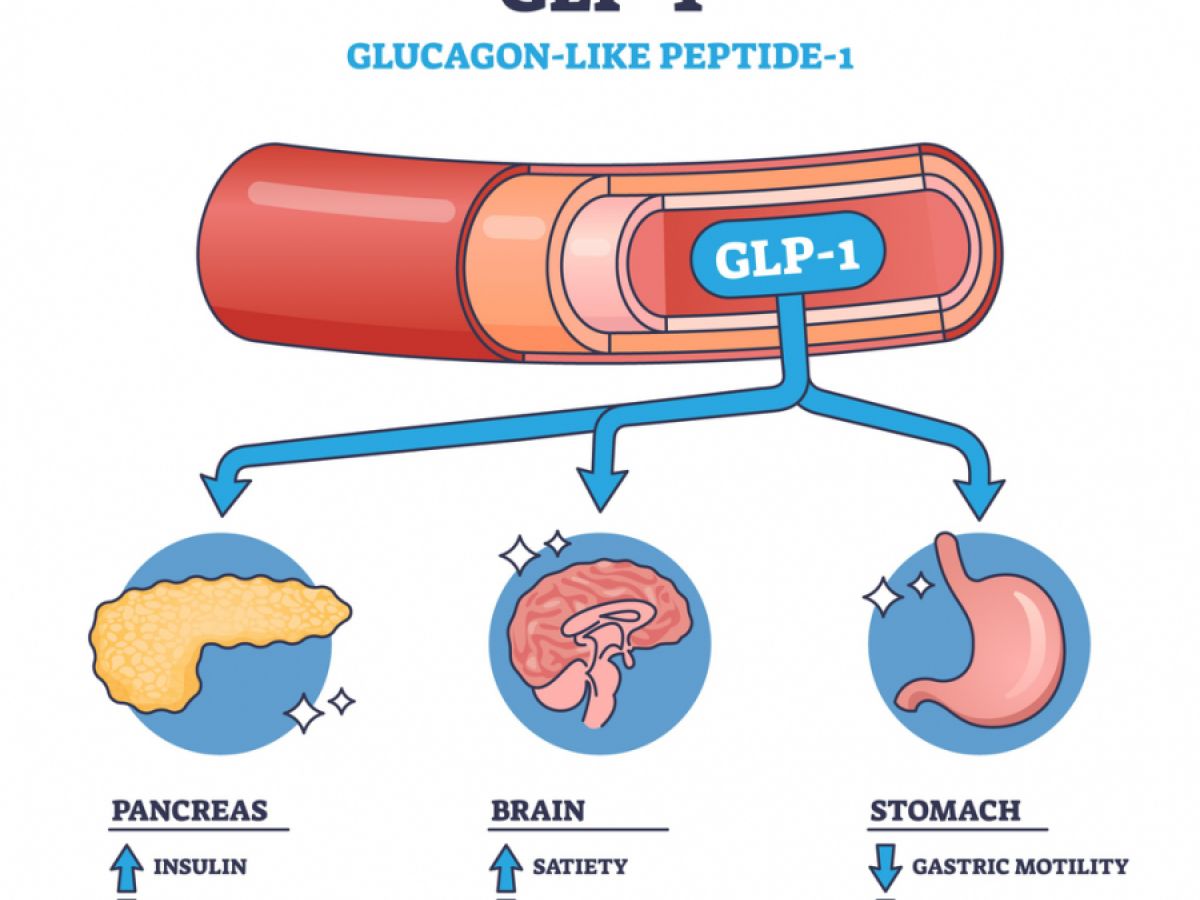
GLP-1 medications like semaglutide are continuing to show potential far beyond weight loss alone. Emerging research is now exploring their possible impact on alcohol cravings, compulsive behaviors, reward pathways, and addiction-related patterns
20.48
GLP-1 Anti-Obesity Rx and Alcohol and Substance Use Disorders
20.20
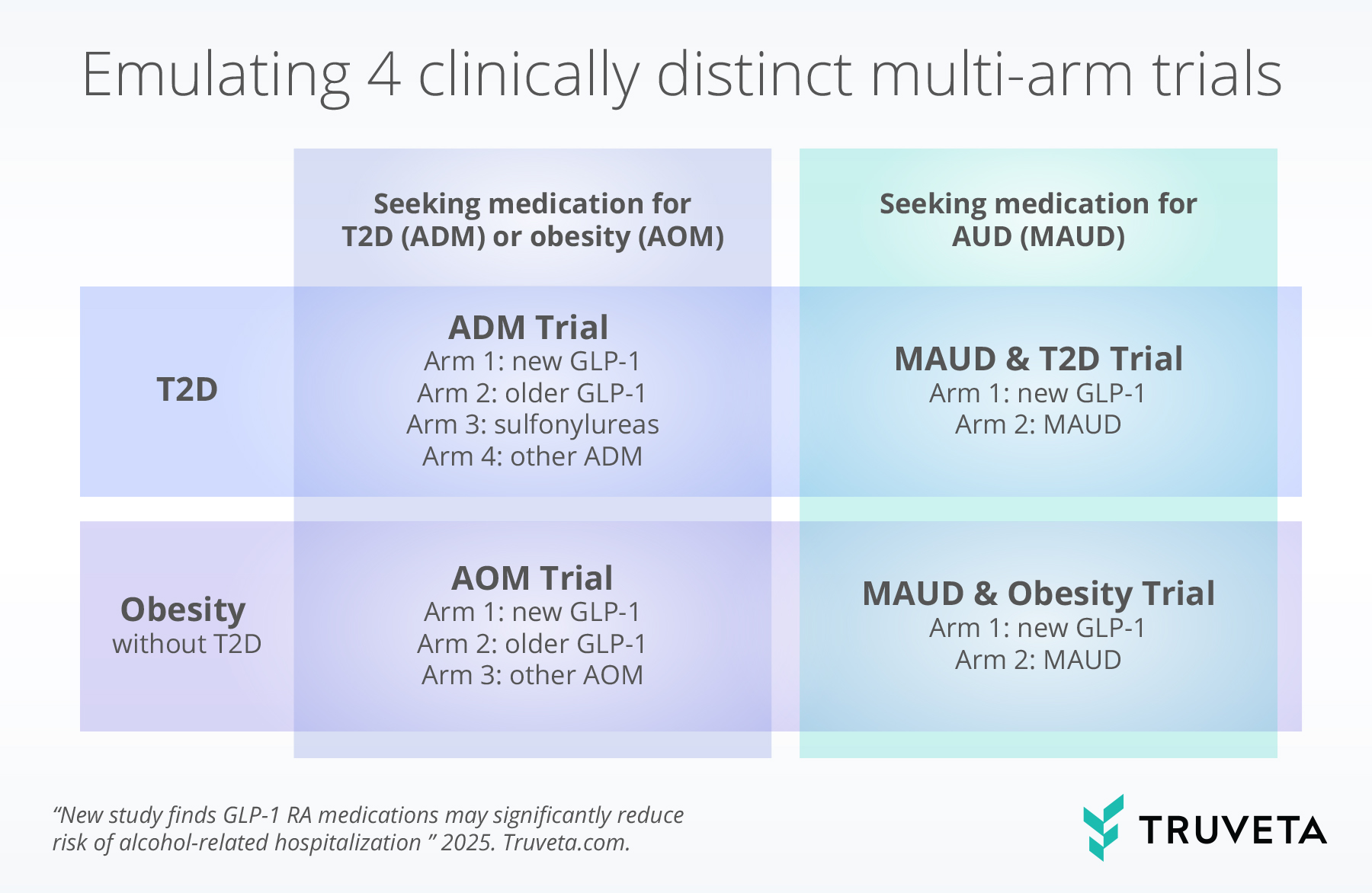
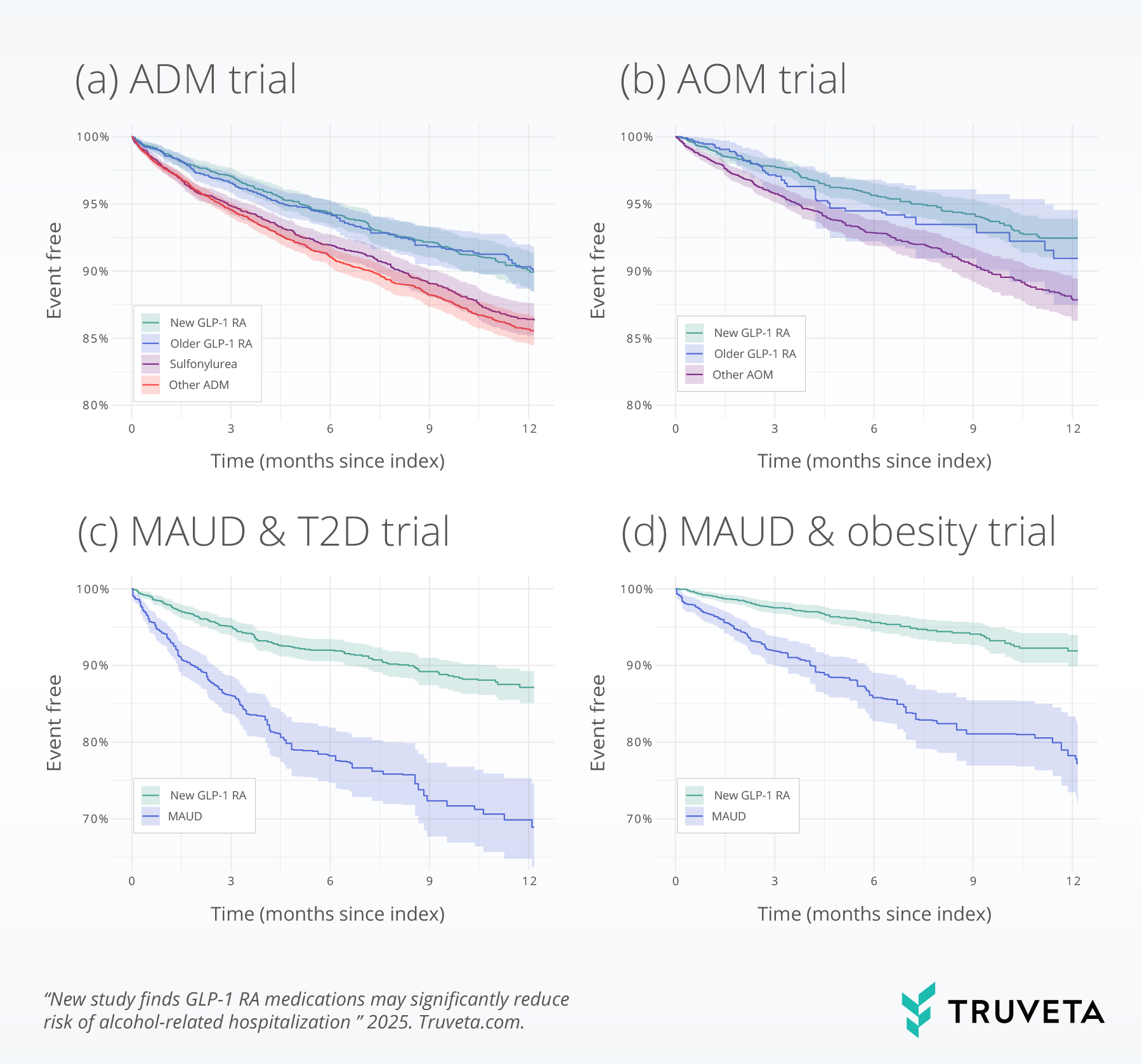
GLP-1 RAs may reduce alcohol-related hospitalization risk
25.37
GLP-1 RAs may reduce alcohol-related hospitalization risk
27.19
GLP-1 shifts alcohol market dynamics | EY
26.00